
My Visual Diary #3: Finding the light
Working in colour for the first time in years and navigating personal and professional work

To my embarrassment, it’s been almost a year since I last published one of these.
Long enough that returning to this space feels less like continuing a conversation and more like starting a new one.
A lot has changed in that time. Some of it visible, some of it not. I’ve spent much of the past year thinking about where I want my work to go, what kind of photographer I want to be, and what role photography should play in my life beyond simply making pictures. The result isn’t a dramatic reinvention, but perhaps a clearer sense of direction.
One thing that might immediately stand out in this particular edition is the colour.
For those who have followed my work for a while, you’ll know that I predominantly work in black and white. It’s where I feel most at home. Black and white has always enabled me to simplify the world, reducing it to light, form, texture and gesture. It strips away distraction and helps me focus on what first drew me to photography: noticing. I have not by any means stopped working this way.
Recently, however, I’ve been working as an art director and photographer for a brand whose visual language exists firmly in colour. Part of the ongoing brief is to create a visual journey through Oxford (UK); not simply documenting the city, but building a world around it. A collection of observations, details and atmospheres that reflected a slower, more intentional way of moving through a place.
Oxford made that task surprisingly easy.


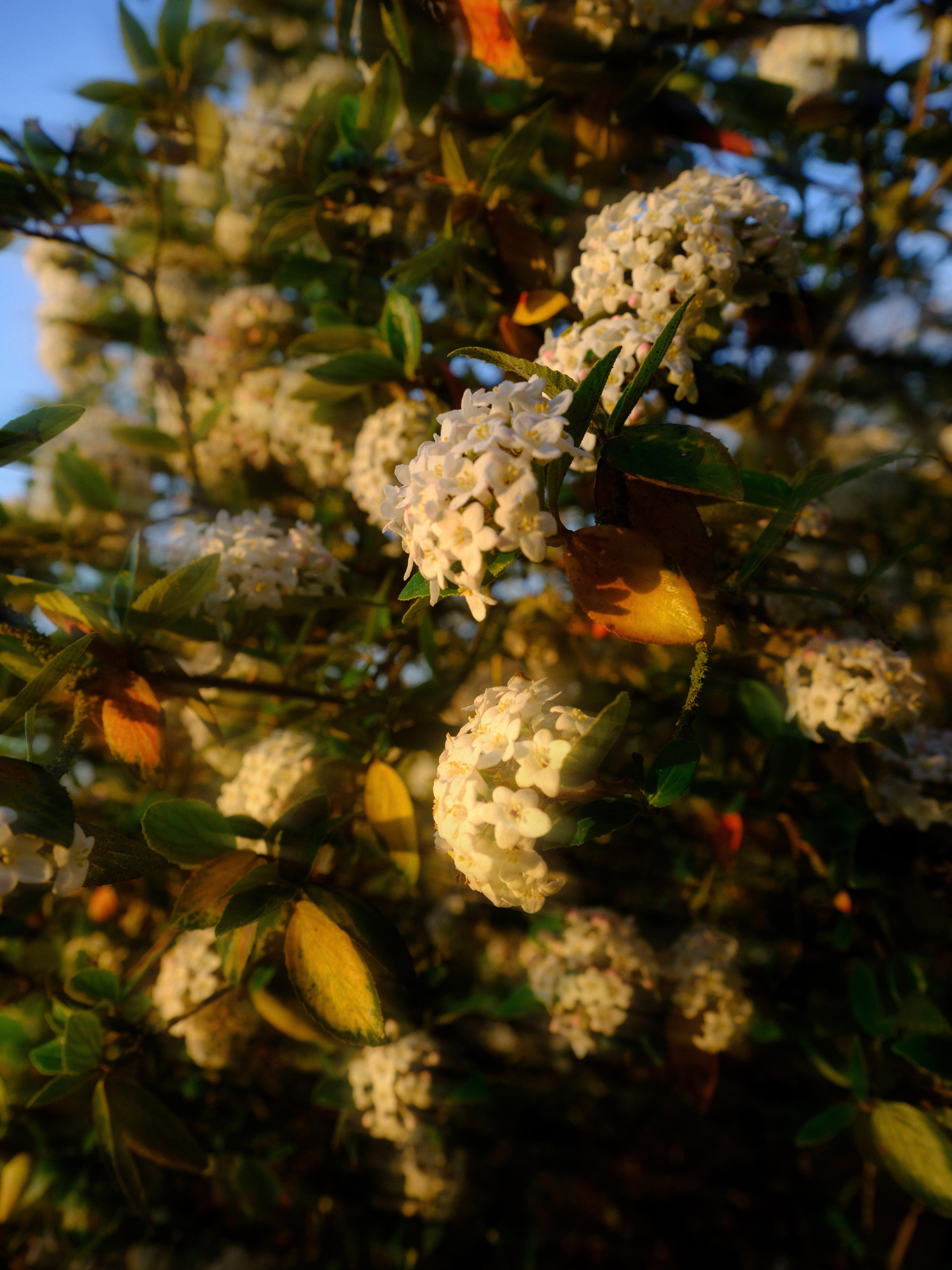
Spring had arrived in full force. Early mornings and late afternoons were washed in warm golden light, turning limestone buildings honey-coloured and casting long shadows across quiet streets. Blossom appeared almost overnight. Windows glowed. Corners I had passed a hundred times before suddenly felt worth stopping for.
Despite the shift to colour, I found myself working much as I always have.
I followed the light.
I looked for contrast, small details, fleeting arrangements of shape and form. The difference was that this time the light itself became part of the subject. Instead of searching for tonal relationships in monochrome, I was drawn to the warmth of sunlit stone, pale blossoms against blue skies, and the palette that seemed to settle over the city during spring.
The process felt surprisingly familiar.
Perhaps more importantly, it felt honest.
For a long time, I’ve searched for commercial work that didn’t require me to leave my personal way of seeing at the door. Like many photographers, I’ve often felt there was a divide between the work I made for myself and the work I made professionally. One paid the bills; the other fed the creative impulse.
This project felt different.
For the first time, I found myself working commercially in a way that closely resembled my personal practice. The same curiosity. The same attention to atmosphere. The same instinct to notice the overlooked and build meaning from small observations. The camera became less of a tool for delivering content and more of a way of shaping a visual narrative.
That intersection between personal and professional work is something I’ve been searching for throughout my career.
Not because the two should become identical, but because the most rewarding work often emerges when they begin to overlap. When your taste, your instincts and your way of seeing become valuable in their own right.
Looking back through these photographs now, I see more than a collection of images from Oxford. I see a small signpost pointing towards the kind of practice I want to build in the years ahead. One that moves between photography, visual storytelling and art direction without feeling the need to separate them into different boxes.
The work is still evolving.
So am I.
But after some time away, it feels good to be paying attention again.
— Kalum
P.S. You can check out more from this series and see how I connected product imagery with world building on my website.